
'I want to move to this peaceful West Midlands town that makes Muddy Stilettos list'
The Royal Town boasts luscious green surrounds and cosmopolitan living.
Sutton Coldfield is definitively a desirable place to live in the West Midlands, so much so that it even featured in the 2027 list of best places to live.
The women's lifestyle website Muddy Stilettos has revealed its list of 260 locations in the UK that are deemed to be the best places to live.
In its most recent list, Muddy Stilettos included Sutton Coldfield and said: "If you’re hankering for luscious green surrounds, but don’t want to give up cosmopolitan living, this town should be on your radar. The Royal Town of Sutton Coldfield sits among some of Birmingham’s poshest pockets and also happens to be one of the leafiest places to live in the UK."
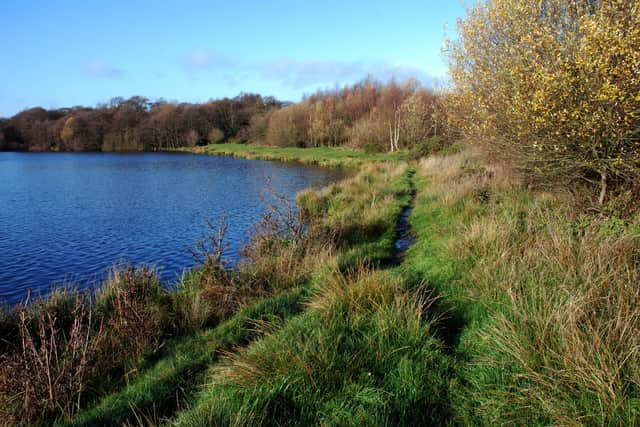

Within Sutton Coldfield lies the affluent Four Oaks neighbourhood that’s known for its huge homes and it is nestled close to the north and east borders of Sutton Park.
Four Oaks homes are almost twice as expensive as those in the rest of Birmingham, according to Rightmove.
Four Oaks has long been regarded as one of Birmingham’s wealthiest enclaves – a district of sprawling homes, tree-lined avenues, and discreet prosperity. Here, the streets are quiet, the gardens manicured, and the air of old money is unmistakable.
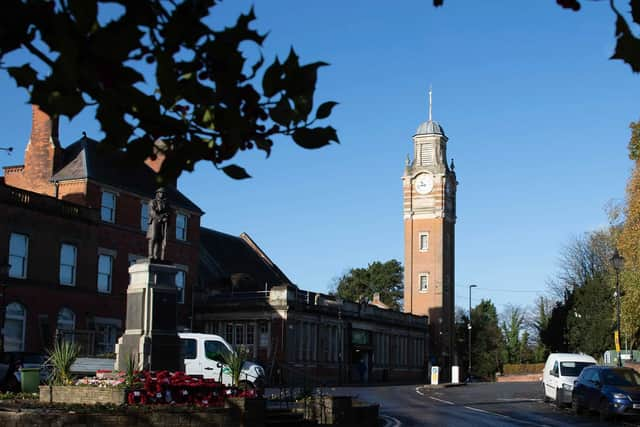
It’s not just bricks and mortar that define the area. The neighbourhood grew from royal hunting grounds, its roads named for aristocrats, and many homes designed before the First World War by prominent architects. That history is still visible in the layout, the seclusion, and the guarded sense of identity.
At the heart of local life is Mere Green, the suburb’s busy shopping and dining hub. Just down from the station, it’s where residents run errands, meet for coffee, and keep the rhythm of daily life ticking.
That desire for preservation has often put the community at the centre of planning disputes. In 2019, proposals to install gates at all eight entrances to the Four Oaks Estate sparked fierce debate.
Supporters claimed it would improve safety; opponents saw it as social exclusion. Birmingham City Council refused the plan, but the discussion never really went away. Infill developments and redevelopment proposals still divide opinion, with some residents calling for no change at all, while others argue that evolution is inevitable.
One thing is clear – change here happens slowly. There are no high-rise blocks, student flats, or rapid turnover of housing stock. That stability is part of the appeal, but also a source of tension, especially as nearby projects like the Langley development raise concerns over traffic and infrastructure.
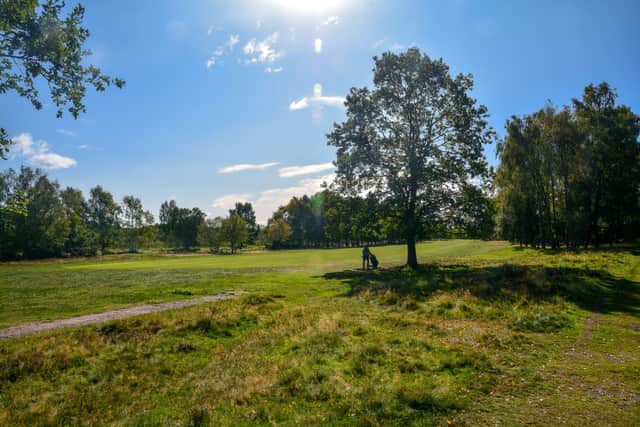
In Mere Green, however, the mood remains upbeat. Cafés are busy, shops are thriving, and footfall is steady. Many say they wouldn’t want to live anywhere else. For others, rising prices make Four Oaks a dream out of reach.
Four Oaks doesn’t flaunt its affluence. It doesn’t have to. The houses, the cars, and the tall hedges speak for themselves. But even here, beyond the gated driveways and leafy lanes, the pressures of a growing city are creeping closer – and whether the suburb can remain untouched is a question its residents will be answering for years to come.