
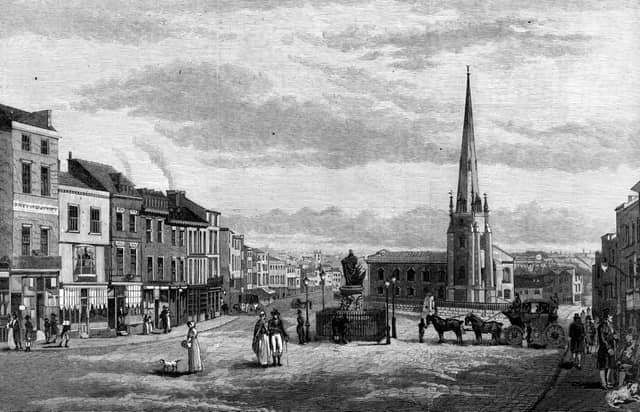


Birmingham’s Bull Ring Indoor Market, a fixture of city life for nearly 900 years, is set to be demolished after council approval cleared the way for new housing.
The site on Edgbaston Street will be redeveloped into up to 745 flats, 1,544 student rooms, or a mix of both, as part of the £1.9 billion Smithfield regeneration project.
Established in 1154 when Peter de Bermingham received a charter from King Henry II, the market has long been at the heart of Birmingham’s trade and community. Excavations nearby uncovered 13th-century leather tanning pits, underscoring its historic roots.
For many traders, the decision ends generations of family business.
Demolition is expected to start in 2027, with construction following in 2028. Developer Hammerson has pledged to include a new permanent market within the wider redevelopment.
But not everyone sees it as progress. Dr Steven McCabe, an academic at Birmingham City University, warned that the city risks losing its identity. “Do we really need more apartments — and will there be anything left of the old Birmingham?” he said.
Read more: 'What will be left of the old Birmingham?': Fears over Bull Ring Indoor Market demolition
As cranes and construction reshape the skyline, the loss of the Bull Ring Market marks more than just another redevelopment — it signals the fading of a piece of Birmingham’s living history.
Take a look back at our gallery of Bull Ring Market through the years:
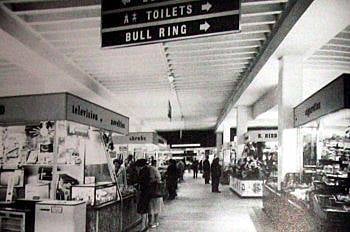
5. The Bull Ring Indoor Market, Birmingham, in 1964
The market, known for its vibrant atmosphere and diverse range of goods. | Facebook
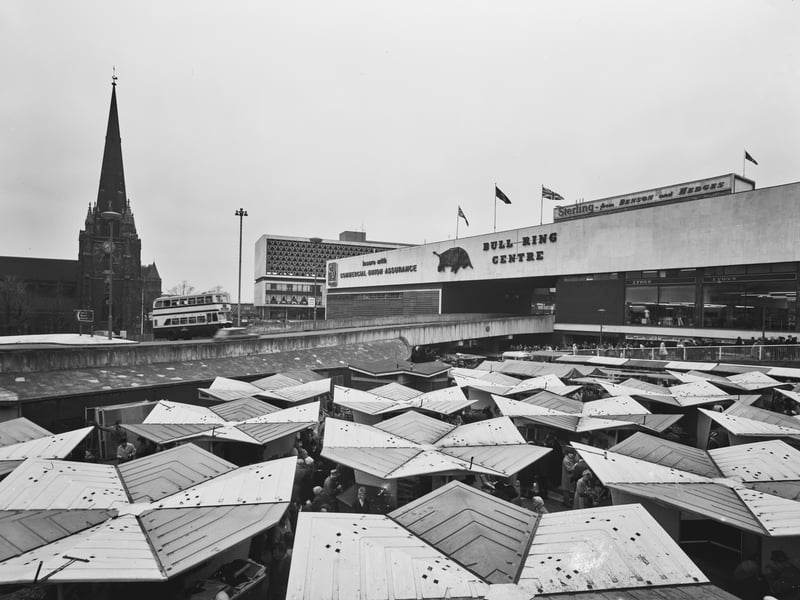
6. The Bull Ring Indoor Market, Birmingham, 13th April 1971.
For many years, the market has been a hub for the local community. This photo from the 1970s shows an high angle view over the market stalls of the Bull Ring Market outside the Bull Ring Shopping Centre in Birmingham, West Midlands, England, 13th April 1971. The spire of St Martin in the Bull Ring is visible in the background. | Getty Images
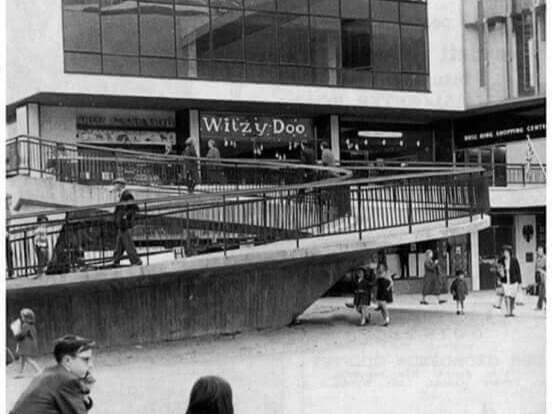
7. The Bull Ring Indoor Market, Birmingham, 1970s
The Spiral entrance to the Bullring indoor market in the 1970s - The modern architecture and the excitement of shoppers exploring the new space | Facebook
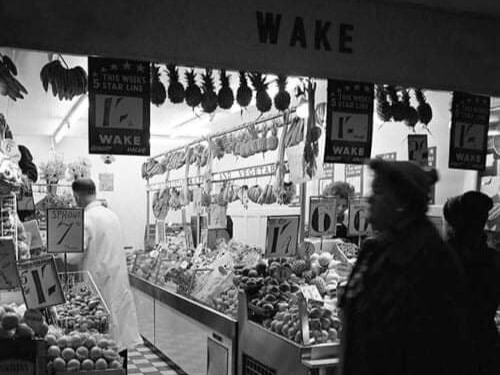
8. The Bull Ring Indoor Market, Birmingham, 1980s
As for many years, the market has been a hub for the local community. | Facebook