
Major archaeology dig begins at one of Birmingham’s most historically important sites
Archaeological works have begun at Smithfield Birmingham
An investigation, which is being led by Cotswold Archaeology on behalf of Birmingham City Council and Lendlease before redevelopment begins early next year.
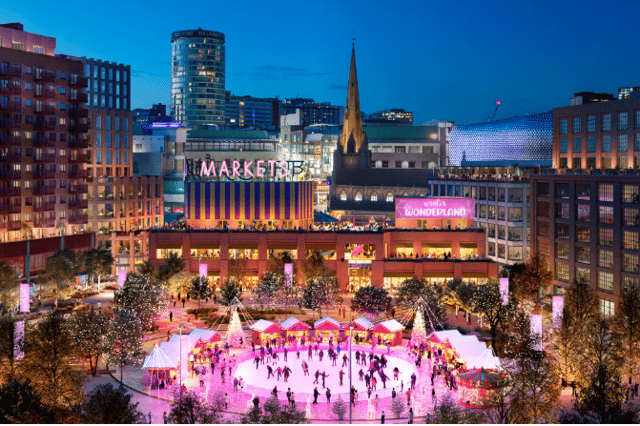

The council said the investigation will ‘offers a valuable opportunity to explore Birmingham’s medieval past’.
The area is under investigation, sitting just north of the city’s former moated manor once home to the Lords of Birmingham.
Cotswold Archaeology will be carrying out the investigation until mid-December 2025.
The works are being fully contained within the development site. Plans for the 17-hectare regeneration of Smithfield Birmingham were unanimously approved by Birmingham City Council in June last year.
Delivered through a joint venture between Birmingham City Council and Lendlease, the neighbourhood will feature more than 3,000 new homes, vibrant cultural and leisure attractions, modern workspaces for businesses, and an extensive network of green infrastructure and public spaces.
At its heart, Birmingham’s historic Bull Ring Markets will be reimagined within two purpose-designed buildings.
Cllr Sharon Thompson, Deputy Leader and Cabinet Member for Economy and Skills at Birmingham City Council, said: “Smithfield is one of the most significant regeneration projects in Birmingham’s history, and we are committed to ensuring that its future is built on a deep respect for its past. “These archaeological works give us a unique opportunity to uncover and celebrate the city’s medieval heritage before redevelopment work begins to deliver new homes, jobs, and vibrant spaces for generations to come.”
Deborah Williams, Historic England Regional Director (Midlands), said: “Smithfield is one of Birmingham’s most historically important sites, and this archaeological work is a vital step in deepening our understanding of the city’s early development. By carefully investigating and recording the remains of the medieval manor and market, we can ensure that this heritage is not only protected, but meaningfully woven into the future of the area. We’re pleased to support a project that places such strong emphasis on recognising and celebrating Birmingham’s past as it plans for the generations to come.”
Rob Sutton, director of Heritage Consultancy at Cotswold Archaeology, said: “Fine views of the fine Church will be protected, and the new public space will celebrate and conserve the buried remains of the medieval moat and manor house. But, for me, the most interesting story here is about nearly 1,000 years of market trading in the same spot. That depth of heritage is a powerful legacy today and for the future too.”