
Birmingham attraction helping to raise awareness of UK seahorses
After a survey found almost 7 in 10 Brits were unaware seahorses lived on UK coastlines, SEA LIFE Birmingham is working hard to ensure more people know about the sea creatures in our waters
Almost seven in 10 Brits are completely unaware that seahorses live on the UK coastline, new national research has revealed.
As SEA LIFE researchers from across the UK record making their 100th seahorse observation in UK waters, a national survey has found that over 66% of Brits have no idea that seahorses even live on their coastline.
Experts suggest this highlights the need to raise more awareness of the species to ensure these amazing animals and their habitats are both understood and respected.
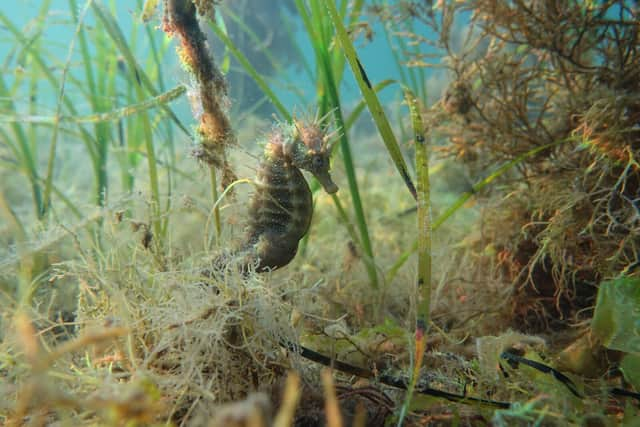

Two species of seahorses live on UK coastlines, the Short Snouted Seahorse and the Spiny Seahorse both of which can be found in the Shetland Isles, down the west coast of the UK, around Ireland and along the south coast of England, with seahorses also recently spotted off the east coast of Bridlington and in other areas of the North Sea.
As part of their BIAZA award-winning conservation research, SEA LIFE researchers, in partnership with The Seahorse Trust and The SEA LIFE TRUST have spent over 160 hours conducting underwater censuses of seahorses around the Dorset coastline recording their 100th sighting just this week.
During the dives, researchers photograph, measure, determine gender and document the location of any seahorses spotted. The team identify any spot patterns seahorses have on their faces to enable them to recognise them in future – with each seahorse having its own unique spot pattern like a human fingerprint.
The seahorse dive surveys, which have been taking place across the past two years, aim to gather information to help understand both the location and the health of UK seahorse populations and how we can help them and their ecosystems to thrive in the future.
The national survey also revealed almost nine in 10 Brits (87%) want to do more to help marine conservation, however, just one in four (27%) understand how to do so, meaning a staggering three quarters of the nation have no idea how they can help the animals, including seahorses, that live in our waters.
As such, National SEA LIFE Birmingham has just opened a brand new education seahorse exhibit to help educate the public on an aspect of marine life which has seen very little research, as well as informing the general public on how best to care for our waters to ensure they and their habitats are able to thrive for years to come.
The biggest threats to the UK seahorse population are thought to be loss of habitat, and pollution of our waters, both of which can have a devastating impact upon marine animals’ ability to thrive.
Everyone can play their part to prevent pollution from reaching our waterways by making simple changes such as
- Taking rubbish home when visiting beaches and waterways
- Reducing single use plastic consumption to prevent as much pollution being thrown away
- Choosing nontoxic chemicals to clean with and disposing of all chemicals properly
- Using less water so excess runoff and wastewater doesn’t flow into our rivers and seas
- If you have a boat then be mindful where you drop your anchor so as not to disturb any seagrass beds or other marine habitats
Chris Brown, Global Head of Conservation said: “The work we are doing is vital to ensure seahorse populations thrive in the wild. Our seahorse surveys will help us to better understand the location and the health of the UK seahorse population. The new exhibit in Birmingham aims to give our guests a better understanding of these unique animals and how they can help their plight in UK waters.
“At SEA LIFE, we’re working hard to ensure that the public are better informed about seahorses, and the importance of protecting the habitats they live in like seagrass. As part of our work to help UK seahorses to thrive in the wild SEA LIFE and the SEA LIFE TRUST sponsor ecomoorings which help protect seagrass by providing an anchor point that doesn’t damage the seagrass roots.
“Whilst SEA LIFE will continue to gather research that will help to conserve our UK seahorse population and invest in initiatives such as the ecomoorings everyone can play their part in looking after our waterways to allow marine life habitats including those that support seahorses to thrive for years to come.”
Neil Garrick-Maidment, Executive Director at The Seahorse Trust, said: “It is incredibly important that we recognise the impact we are having on our seas. By understanding what a healthy seahorse population looks like and needs we can help to identify and reduce any threats they face in our British waters.”