
Pharmacies in Birmingham are ‘on the brink’ as numerous locations have shut down over the past two years

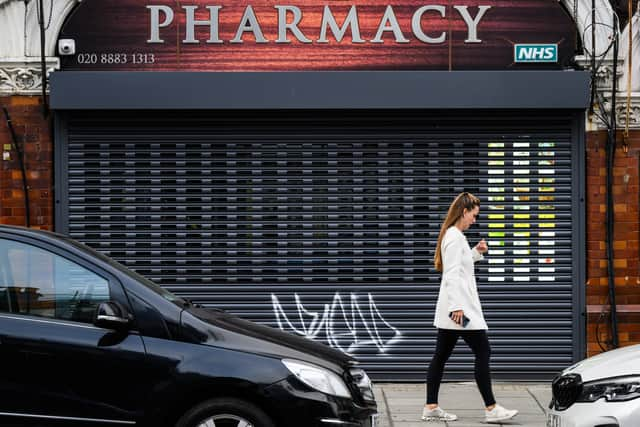
Numerous pharmacies in Birmingham have shut down over the past two years, leading to the expansion of ‘pharmacy deserts’.
Over the past two years, Birmingham has experienced the closure of several pharmacies, mirroring a concerning trend across England.
New data reveals that hundreds of pharmacies have shut down nationwide, with deprived and rural areas being the most affected.
Residents, especially those in deprived areas, have felt the impact as access to essential healthcare services becomes increasingly limited. The closures have raised concerns about the availability of medications, healthcare advice, and other vital services that pharmacies provide.
It has been warned that people in these areas will now have to travel longer distances to obtain the medication they need.

The National Pharmacy Association (NPA) conducted an analysis highlighting the disproportionate effect of these closures on deprived and rural areas.
According to the NPA, the number of pharmacies closing this year is nearly 50% higher compared to the same period last year.
This alarming rate of closures is attributed to rising operational costs, staff shortages, and reduced government financial support.
Figures show that there were 267 pharmacies in Birmingham this year, down from 275 two years ago. Birmingham was one of the hardest-hit areas in the West Midlands, with eight pharmacies closing during this period. The analysis also reveals that 87% of council areas in England have seen the closure of at least one pharmacy in the past two years.
Paul Rees, chief executive of the NPA, stated that a growing number of areas are at risk of becoming “pharmacy deserts,” with people in rural areas having to travel longer distances to get the medication they need.
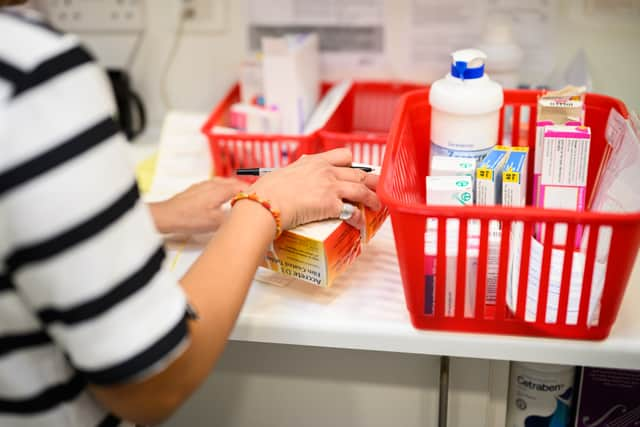
“Many pharmacies are on the brink because of a decade of real-term cuts, creating a material threat to the security of medicine supply in some areas if closures continue,” he said.
“It is also deeply concerning to see higher levels of pharmacy closures in deprived council areas, which has undermined government efforts to tackle health inequalities after the pandemic.”
The figures highlighted regional disparities, with the most pharmacy closures recorded in the North West (81), while only 27 shut down in the East Midlands. In the West Midlands, 30 pharmacies closed.
Mr Rees emphasised the need for government action to stabilize the pharmacy network and lay out a route map for a properly funded future.
“Ministers must provide pharmacies with a new deal to fix the current broken contract now. This will halt the closures and allow pharmacies to deliver first-class accessible healthcare on people’s doorsteps,” he said.
The figures also show that pharmacies are unevenly distributed across the country. North East Lincolnshire had 41 pharmacies per 100,000 people, while areas like Central Bedfordshire and Bracknell Forest only had 13. In Birmingham, there were an estimated 23 pharmacies per 100,000 people.
David Fothergill, chairman of the Local Government Association’s community wellbeing board, said: “Councils want every local area to have a strong community pharmacy network, particularly those in deprived areas with the greatest health needs, or rural communities with the furthest distance to travel. People rely on their local pharmacy not just as a place to get medicines, but as somewhere they can go for informal health advice and information. If this lifeline was removed, it would mean more people having to potentially travel longer distances to GP surgeries and adding to existing pressures.”
He added: “Pharmacies have an important place in our local economy. They are vital to ensuring diverse and vibrant high streets, which can otherwise be dominated by betting shops and takeaways. Losing our pharmacies could leave gaps in high streets that may never be filled.”