
Government planning reforms will strengthen green belt, says Wolverhampton MP

Wolverhampton MP welcomes presumption in favour of development near railway stations
Changes to the planning system will lead to more new homes on brownfield sites, and relieve pressure on the green belt, says a West Midland MP.
Sureena Brackenridge, MP for Wolverhampton North East, welcomed government proposals to accelerate development close to railway or tram stations, saying they offer a major opportunity for Wolverhampton and the wider West Midlands.
The Government today (Monday) announced a presumption in favour of housing in sustainable locations, including around well-connected railway and tram stations, alongside minimum expectations for house-building and density in these areas.
Mrs Brackenridge said this could help unlock underused and previously developed land, including former industrial and railway sites in her constituency, allowing more homes to be delivered without unnecessarily using green belt land.
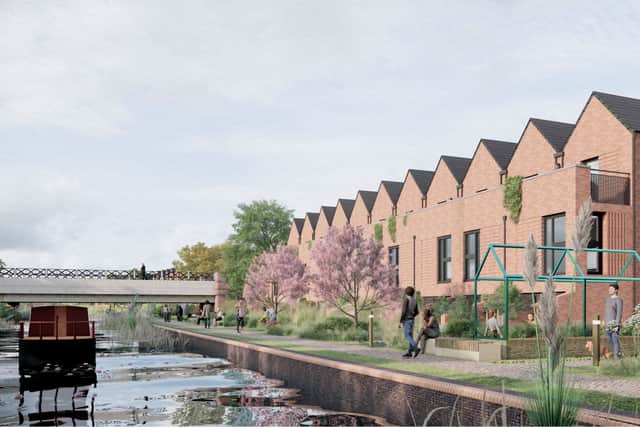

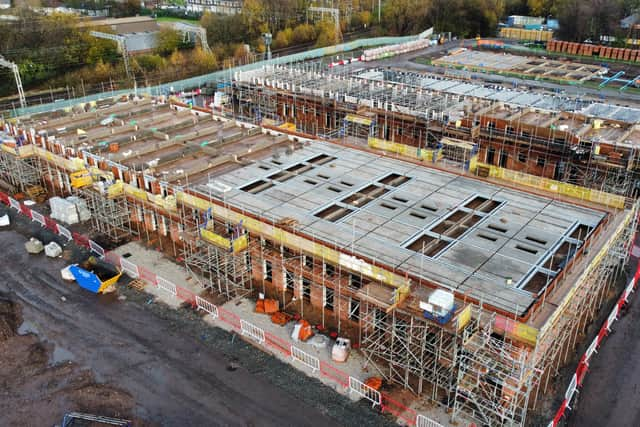
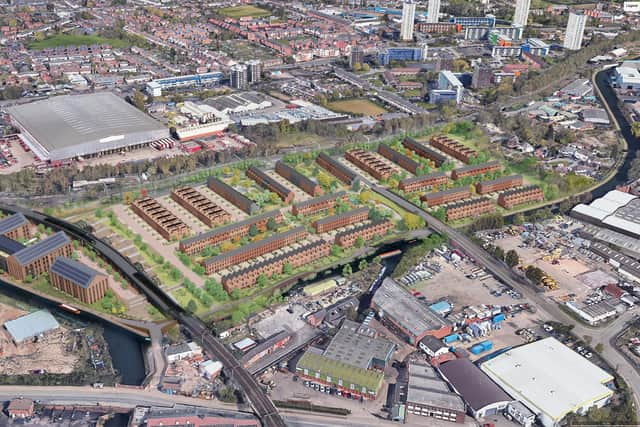
She said Wolverhampton was already showing what could be achieved through ambitious brownfield regeneration, highlighting the £150 million Canalside South scheme as an example of how it should be done. More than 530 new homes are being built on 17.5 acres of long-derelict former industrial land in the Horseley Fields area of the city, close to the railway station. It formed part of a wider plan to build around 1,000 homes in the area, she added.
“We desperately need more good-quality homes in Wolverhampton, but we also need to be sensible about where we build them,” said Mrs Brackenridge.
“That means making much better use of the land we already have, particularly brownfield sites, disused industrial land and areas around our railway and transport infrastructure, before putting pressure on our green belt.”
She said the Government’s reforms would make it easier and quicker to develop brownfield sites.
“Good planning should not be about building anywhere and everywhere,” she added.
“It must be about building the right homes in the right places, with the transport, infrastructure and services that people need. It can mean more people getting access to secure, high-quality homes while being well connected to jobs, education and the wider West Midlands.”
“And there is an important point about the green belt here. If we are serious about protecting it, we need to make sure that developers have viable opportunities to build on suitable brownfield land instead. Getting disused sites back into productive use faster strengthens the case for protecting our green spaces rather than allowing pressure for new development to push ever further outwards.”