
'Iconic' Birmingham building celebrated as brutalist marvel by The Telegraph
The Telegraph recognises an iconic Birmingham building as one of Britain's greatest brutalist designs, lauding its striking architecture and historical importance.
For many Brummies, a large rather blocky yet funky building has been a fixture on our streets for 60 years.
I’m sure many can point to lots of different buildings in Birmingham fit this description of a being a brutalist marvel. From the Rep Theatre on Centenary Square to The Ringway Centre on Smallbrook Queensway.
However one iconic Birmingham building stood head and shoulders above the rest as part of a new ranking of ‘Britain’s 10 greatest brutalist buildings’, by The Telegraph.
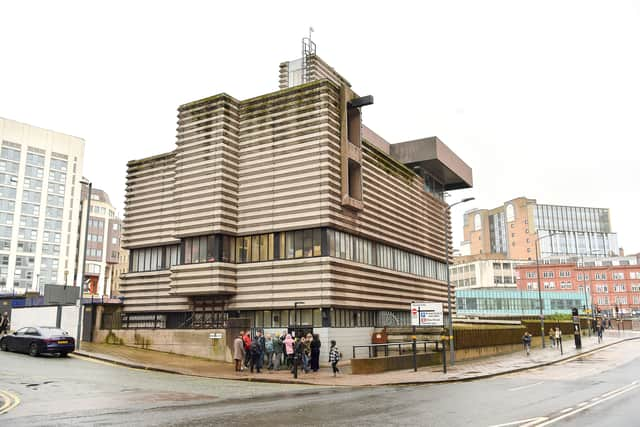

That building is of course the now defunct but still iconic Grade II listed Birmingham Power Signal Box situated on the the corner of Brunel Street and Navigation Street.
It was ranked 7th in a new list released by the Telegraph newspaper.
The full list of Britain’s greatest brutalist buildings included:
- High Point, Bradford
- The Barbican, London
- Preston Bus Station
- UEA, Norwich
- Glasgow School of Art and Hunterian Art Gallery, Glasgow
- Clifton Cathedral, Bristol
- New Street Signal Box, Birmingham
- Norco House, Aberdeen
- Bernat Klein Studio, Selkirk
- Trellick Tower and Balfron Tower, London
The writer, Chris Beanland, praised the structure for its ‘ Listed and protected, it shines in Birmingham city centre and although no longer in use, it once controlled thousands of trains daily.’
The building was officially opened in July 1966 and in its heyday signallers inside directed up to 1,200 trains every day.
According to Network Rail who shared the news of the building being now considered defunct this was due to the original 1960s technology used within the signal becoming ‘increasingly difficult to maintain with spare parts often in short supply’ therefore since January 2021 all of Birmingham New Street's signalling equipment has been converted to digital.
Yet, its funky architecture still looms large in the minds of many Brummies as its monumental standing is still very much present despite it being officially closed in 2022.