
Across the West Midlands, there are locations that are so wonderful that they can evoke a sense of wonder, happiness and profound joy.
These enchanting locations across the West Midlands that inspire awe and joy, as we explore the region's must-see wonders. From historic sites to natural beauty, these spots deserve recognition.
While they may not make the actual seven wonders of the world which include the Great Pyramid of Giza, we think that these sites can provide a certain sense of everyday joy that’s accessible to local West Midlands residents.
Let us know what you think about this selection: [email protected]
Without further ado, here are the great wonders of the West Midlands:
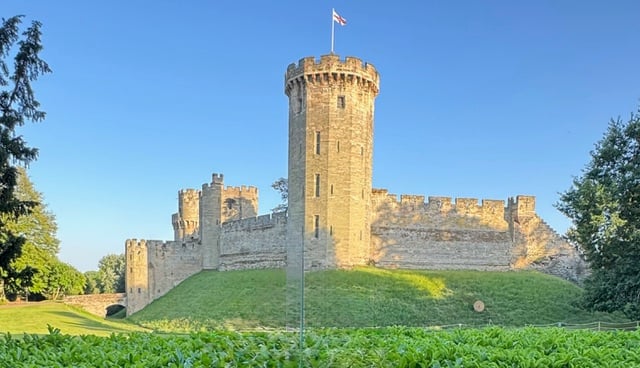
1. Warwick Castle
Arguably one of the West Midlands' most popular destinations for tourists. Originally built by William the Conqueror in 1068, the castle has captured the minds of locals for nearly 1,000 years. | Warwick Castle
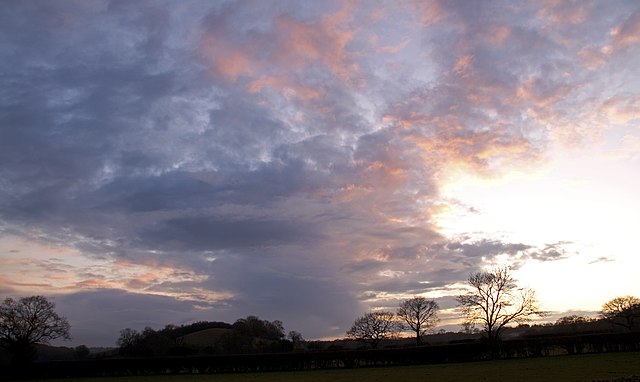
2. Clent Hills
Approximately 10 miles from Birmingham, the Clent Hills offer expansive views and minimal light pollution. A top landmark is the Four Stones, which was erected in 1763 by Lord Lyttelton's workers to look like ancient standing stones. | Tony Hisgett Photo: Tony Hisgett
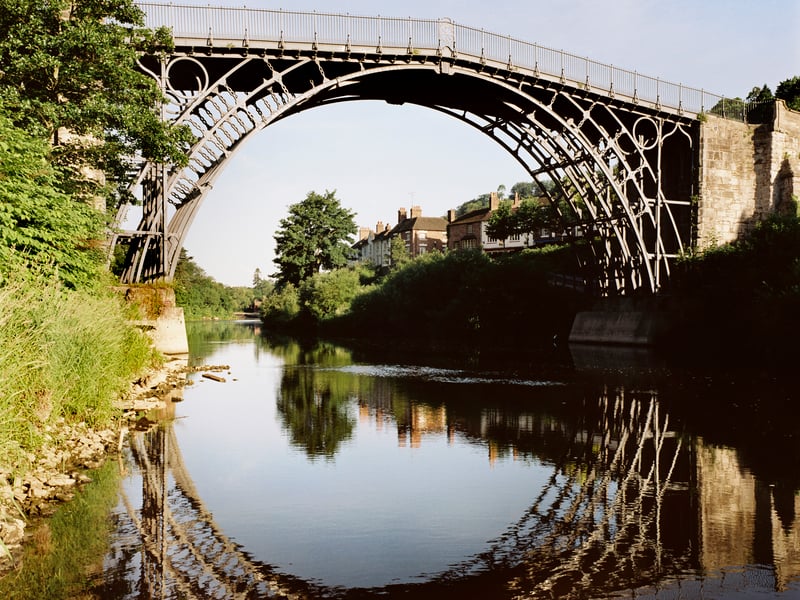
3. Ironbridge Gorge, Shropshire
View of the bridge looking down the River Severn with reflections shown in the water. Abraham Darby established an iron works at nearby Coalbrookdale in 1708. His grandson, Abraham Darby III built this bridge, the first cast iron bridge in the world, between 1777 and 1779. It was designed by Thomas Farnolls Pritchard and opened in 1781. | Getty Images
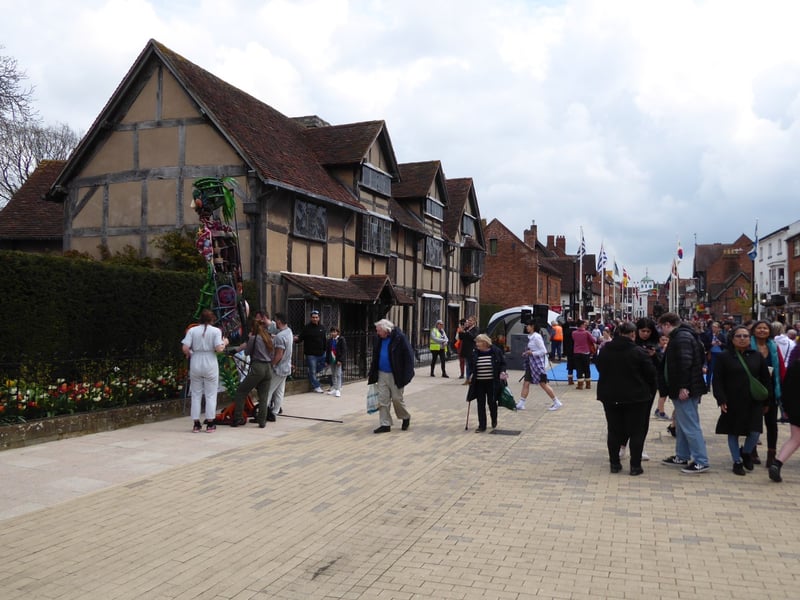
4. Stratford-upon-Avon
The town's most famous resident, William Shakespeare, was born in 1564 in a half-timbered house on Henley Street, Stratford-upon-Avon. At the time, the ground-floor location was a workshop for his father's glove-making business. The town is a key landmark for the town, and is now managed by the Shakespeare Birthplace Trust. It's one of the town's key landmark as Shakespeare was born and raised at the location. | Philip Halling, CC BY-SA 2.0, via Wikimedia Commons