

Birmingham has seen many of its iconic cinemas close their doors or face the wrecking ball over the years.
From grand picture palaces to cosy neighbourhood theatres, these venues once brought the magic of the silver screen to countless Brummies.
Recently, The Electric Cinema, the UK’s oldest working cinema, has also closed its doors. The historic venue, which first opened in 1909, shut down for the foreseeable future on February 29, 2024.
This closure marks the end of an era for a beloved cultural landmark that had been a staple in Birmingham’s cinematic history.
As part of the Wonderland project, Flatpack Projects is mapping Birmingham’s cinematic past and present, uncovering the stories behind these lost treasures.
We’ll look back on 13 old Birmingham cinemas, once iconic landmarks, using archives from Flatpack Projects.
Each image captures a moment in time, telling the story of the rise and fall of these cinematic landmarks.
Here are 13 photos of once-thriving cinemas in Birmingham:
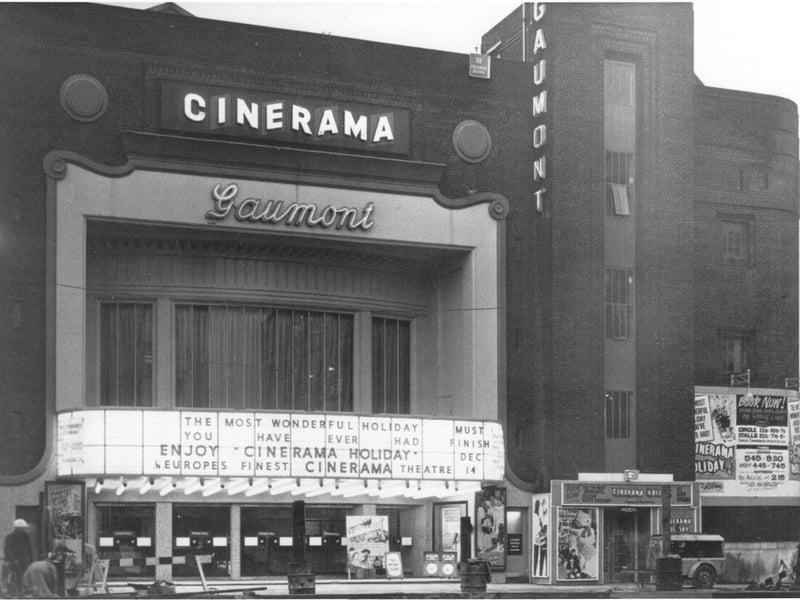
1. The Gaumont Cinema, Colmore Circus, Steelhouse Lane
The Gaumont, a notable landmark at the end of Colmore Row, was a popular spot for many Brummies. It opened as the Gaumont Palace Theatre, boasting 8,000 electric lamps and a Compton organ. In the 60s, it underwent a major refurbishment, including the installation of Europe’s largest screen for Cinerama. It showed The Sound of Music on 70mm for over three years from May 1965 and was a hotspot for blockbusters like Star Wars and Jaws in the 70s. It remained a single-screen cinema until its closure in 1983, and was demolished in 1986. | Courtesy of Flatpack Festival - Wonderland Birmingham
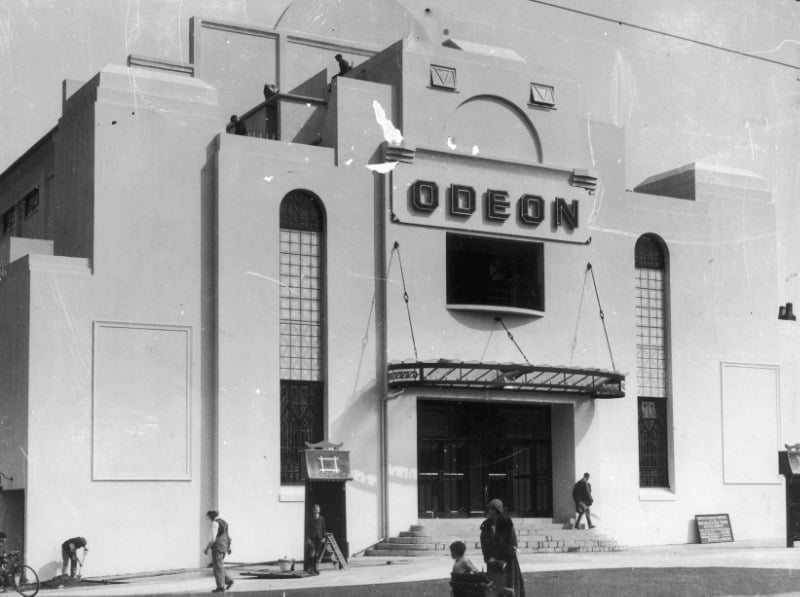
2. Odeon Perry Barr, 271 Birchfield Road
The first-ever Odeon cinema was designed to resemble a Moorish palace rather than the streamlined modernism that the circuit was known for. Oscar Deutsch, the cinema's founder, also had an apartment there. After his death in 1941, staff paid respects as his funeral cortege passed by the cinema. The cinema, closed in 1969, is now a banqueting suite. | Courtesy of Flatpack Festival - Wonderland Birmingham
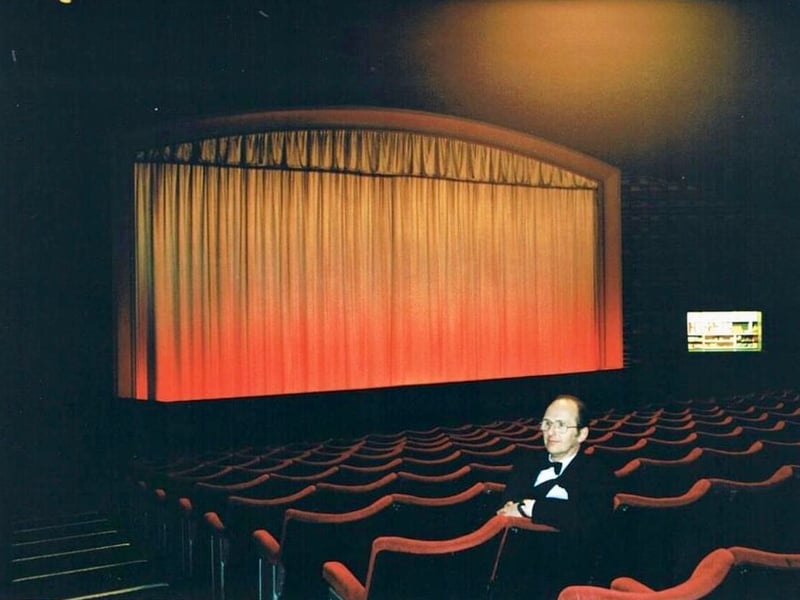
3. The Warwick Cinema, Westley Road, Acocks Green
The Warwick Cinema, opened in 1929 by Smith & Booth, was a silent cinema seating 1500. Its interior mimicked the Warwickshire countryside, complete with a brenograph for celestial projections. It quickly adapted to sound films despite lacking acoustic walls. As cinema attendance declined in the 1950s, it was sold and converted into a bowling alley and a smaller cinema, which operated until 1992 when it became a Lazerquest arcade. | Courtesy of Flatpack Festival - Wonderland Birmingham
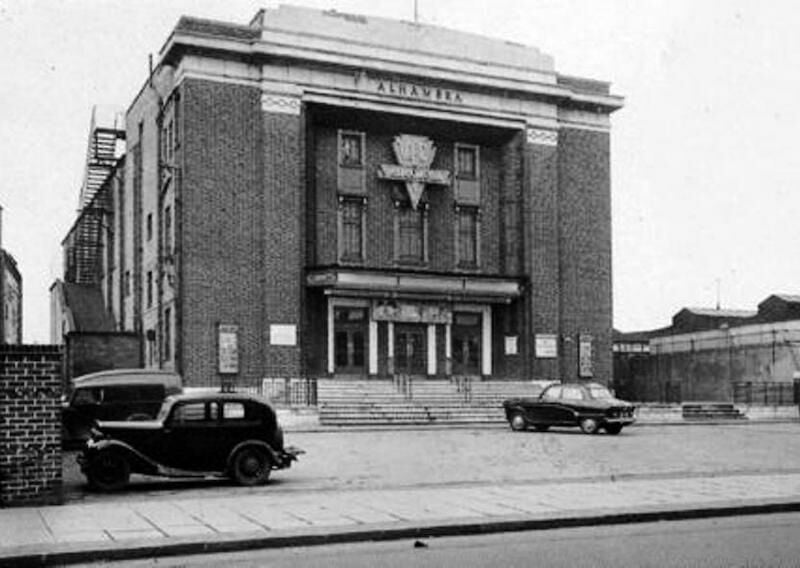
4. The Alhambra cinemas, 367 Moseley Road, Balsall Heath
The Alhambra, the second “atmospheric” cinema in Britain, was designed to create an outdoor illusion in its auditorium. Directors of the Robin Hood Theatre brought this American concept to Birmingham, modelling the cinema after Spain’s Alhambra Palace. Visitors were greeted by a patterned floor, a sun-like ceiling light, imitation marble columns, and gold-embroidered blue velvet curtains. | Courtesy of Flatpack Festival - Wonderland Birmingham