
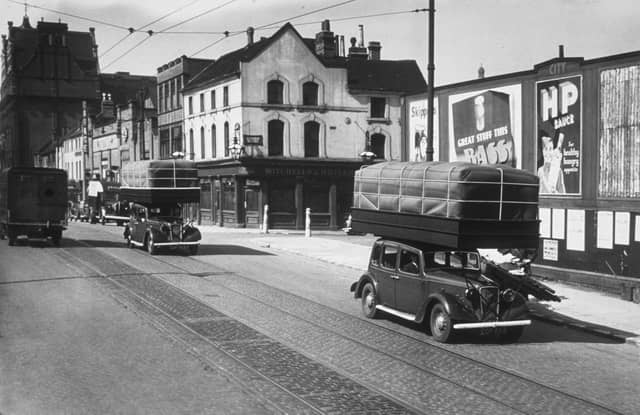


This week, we’re taking a look back at Birmingham during the 1940s.
During the early part of a decade, the city suffered heavy bombing by the Nazi German Luftwaffe during World War 2.
The last large raid on Birmingham was not until July 1942, making it one of the most heavily bombed cities outside of London.
The city was extensively redeveloped in the years following the war.
These photos give an insight into what life was like for Brummies during the decade, including post-war Birmingham.
All photos from Getty Images
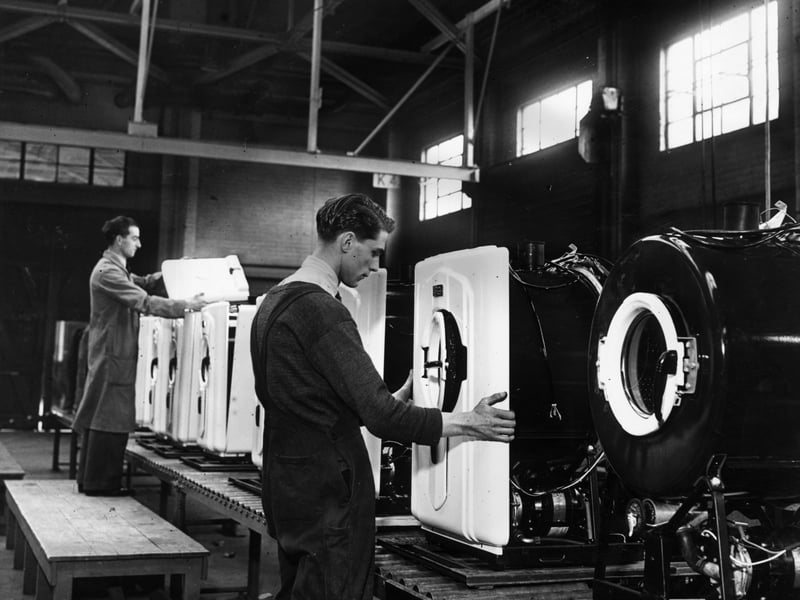
21. 21st January 1948
Workers at a factory at Birmingham assembling washing machines for export. (Photo by William Vanderson/Fox Photos/Getty Images) | Getty Images
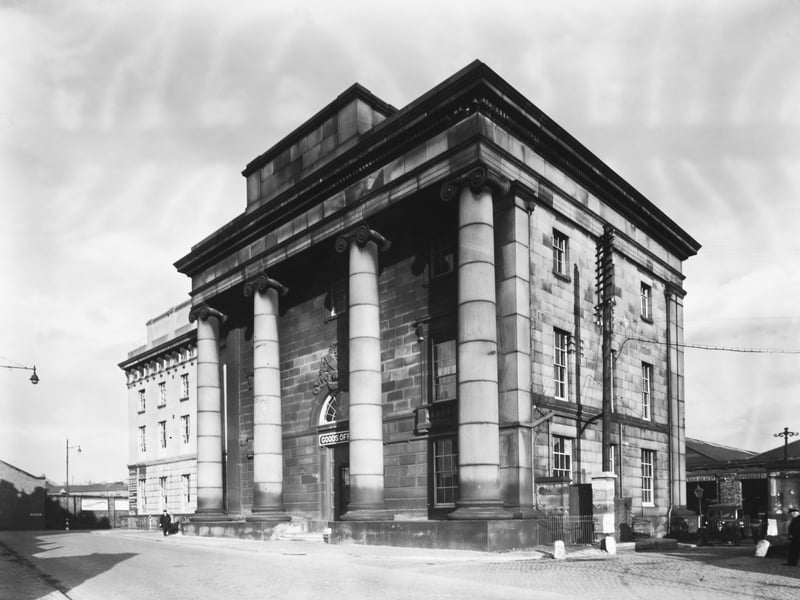
22. 1948
The British Railways goods office in Birmingham, 12th November 1948. (Photo by Topical Press Agency/Hulton Archive/Getty Images) | Getty Images
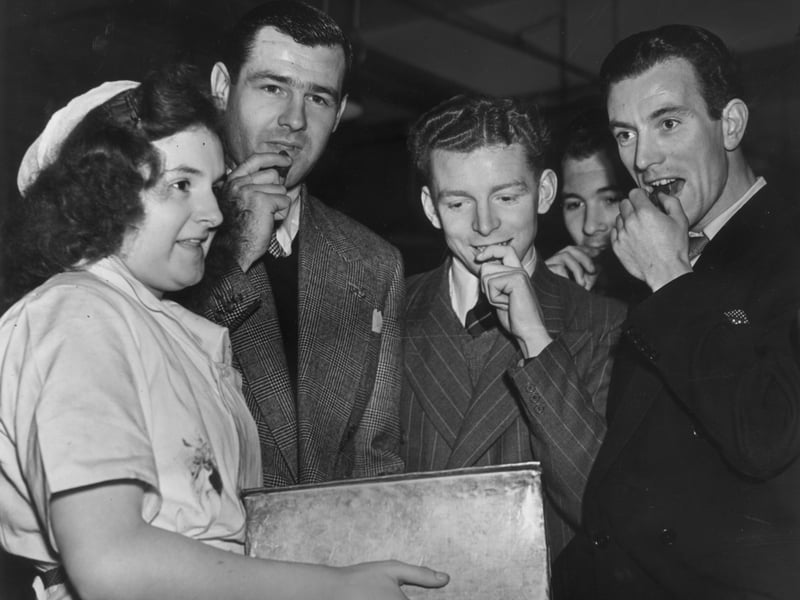
23. 1st February 1949
1st February 1949: Chelsea footballers J T Wilson and H S Wilkinson and Millwall player L V Tyler tasting chocolate at the Bournville factory in Birmingham. (Photo by George W. Hales/Fox Photos/Getty Images) | Getty Images
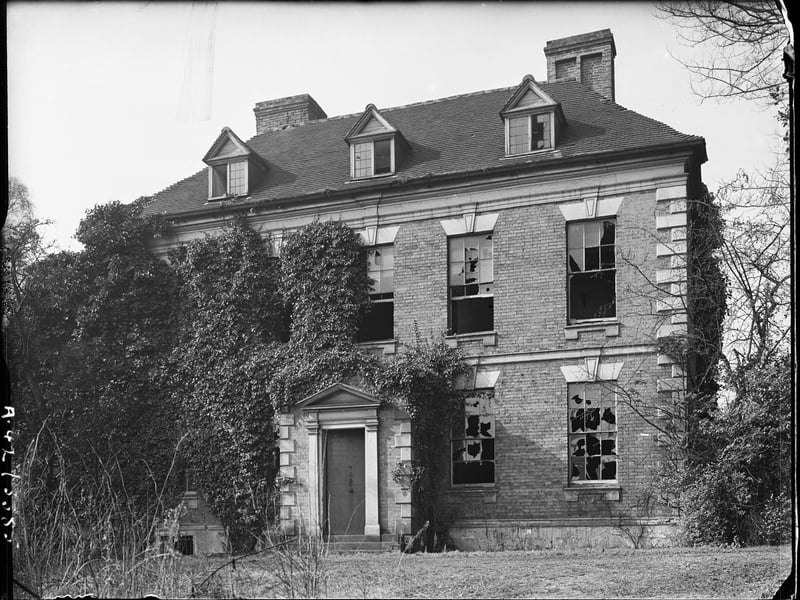
24. The Rookery, 1942
The Rookery, Lichfield Road, Sutton Coldfield, Birmingham, Spring 1942. The derelict east front of The Rookery. Once described as "The greatest ornament and addition to the town of Sutton" (Agricola 1762), The Rookery was constructed in circa 1700 by William Jesson, of Langley Hall. The house was home to members of the Jesson family until the 1780s when Elizabeth Jesson let the house to tenants. In 1811 a girls' school was established in the Rookery and around this time the artist, David Cox, painted a watercolour of the house, now in collection of the Tate Gallery. In 1871 it was purchased by William Henry Tonks, a successful Birmingham brass founder. | Heritage Images via Getty Images