
Iconic Birmingham venue that housed Que Club placed on top ten endangered buildings list

The Victorian Society has placed the landmark Grade II*-listed Birmingham building on its Top Ten Endangered Buildings List for 2025
Birmingham’s Methodist Central Hall has been placed on The Victorian Society’sTop Ten Endangered Buildings list this year.
Now, Methodist Central Hall is back on the market via Savills. One of Birmingham’s most impressive buildings is deteriorating, its rich history steadily overtaken by buddleia, its future uncertain
Purchased in 1989 by Rod Stewart’s former manager Billy Gaff, the hall became The Que Club, a music venue that still shared space with Methodist worship.
Hosting legends like David Bowie, Daft Punk, Blur, and Massive Attack, it became a haven for alternative culture. It was central to Britain’s rave scene, hosting nights such as Atomic Jam and House of God, reverberating with techno, jungle, and Britpop. BBC Radio 1 held live “Essential Mix” nights here, and photographer Terence Donovan’s 1996 images of the Que Club later went on display.
The venue closed in 2017, and the building - once vibrant with life - slipped into decline. A 2022 exhibition at Birmingham Museum and Art Gallery celebrated the Que Club’s legacy, but by then the Central Hall had already appeared on Historic England’s Heritage at Risk Register.
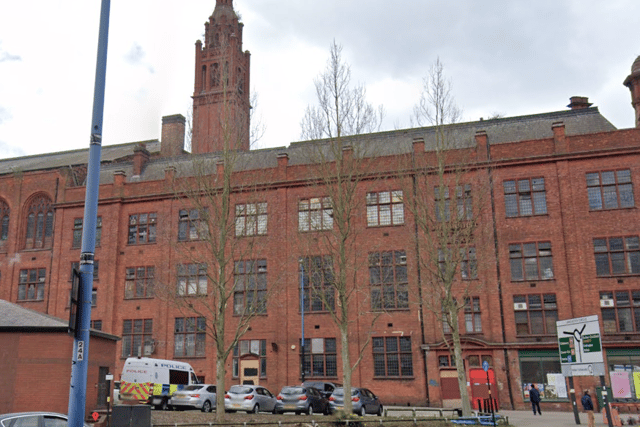

The club was loctaed in the Methodist Central Hall on Corporation Street in Birmingham city centre, and had seven rooms and a main area for clubbers, artists and music fans to enjoy.
Griff Rhys Jones, Victorian Society President, said: ‘Echoing its name, a central fixture of a great city with a recent history of success that must be freshly minted in a lot of people’s minds, the old “Que” needs a new life. It would be inconceivable to lose this treasured house of good repute. It needs friends and it needs some noise. Let interested parties know that it needs some new ideas and dynamic thinking.’