
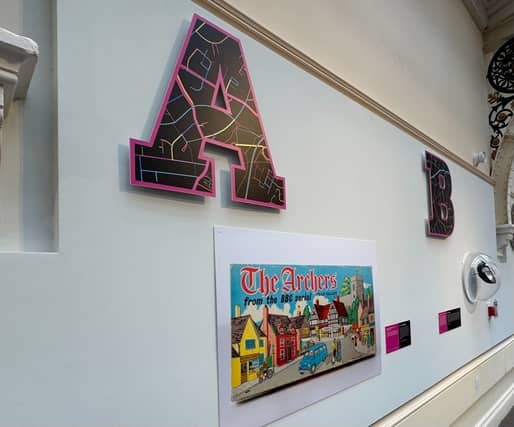


Fancy a crash course in Birmingham’s backstory — with a fun twist?
Head to Birmingham Museum and Art Gallery (BMAG) for their “A to Z of Birmingham” exhibition. It’s exactly what it sounds like: 26 letters, 26 artefacts or themes, each one giving you a snapshot of what’s shaped the city.
From gritty industrial grit to bold art and big social shifts, every stop on this alphabetical adventure tells part of Brum’s story. You’ll get the past, the present, and maybe even a peek at where the city’s headed.
The museum says: “Welcome to the unofficial A-Z of Birmingham, brought to you by the people of Birmingham Museums. 26 staff and volunteers from across Birmingham. Museums chose 26 things they love about their city.
“From A for The Archers to Z for Zoo, some of their choices will be popular, some might make you think twice! This quirky take on Birmingham past and present shows what really makes our city one of a kind.!
It’s smart, snappy, and packed with character — just like Birmingham itself.
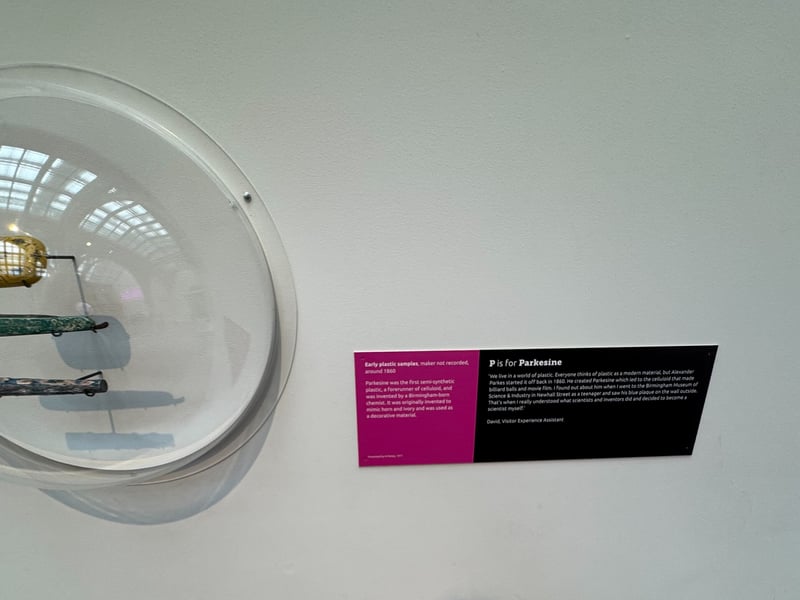
17. P is for Parkesine
Early plastic samples around 1860. Parkesine was the first semi synthetic plastic, a forerunner of celluloid, and was invented by a Birmingham-born chemist. | National World
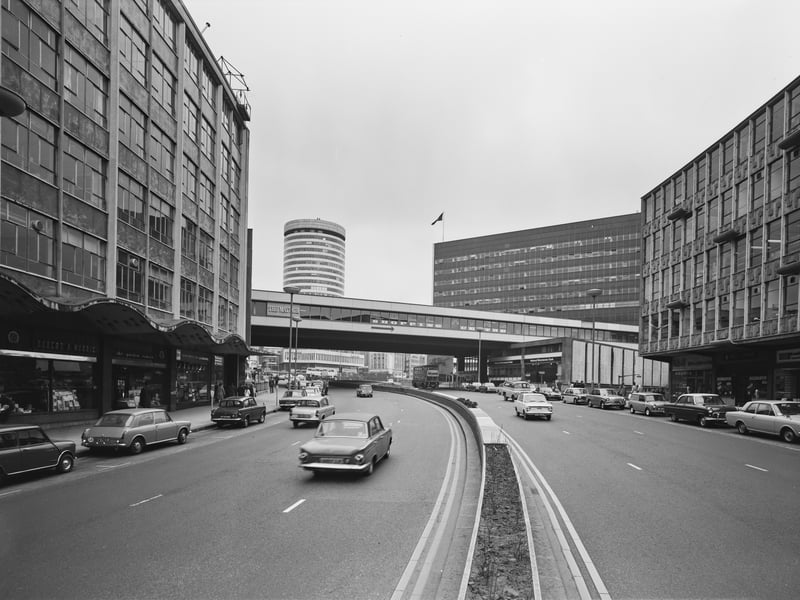
18. Q is for Queensway
Birmingham's queensways are a patchwork of tunnels and roads around the city centre. It's an unconfirmed legend that Queen Elizabeth accidentally named the whole ring as a 'Queensway' instead of just part of it - so many parts had to be renamed. | Getty Images
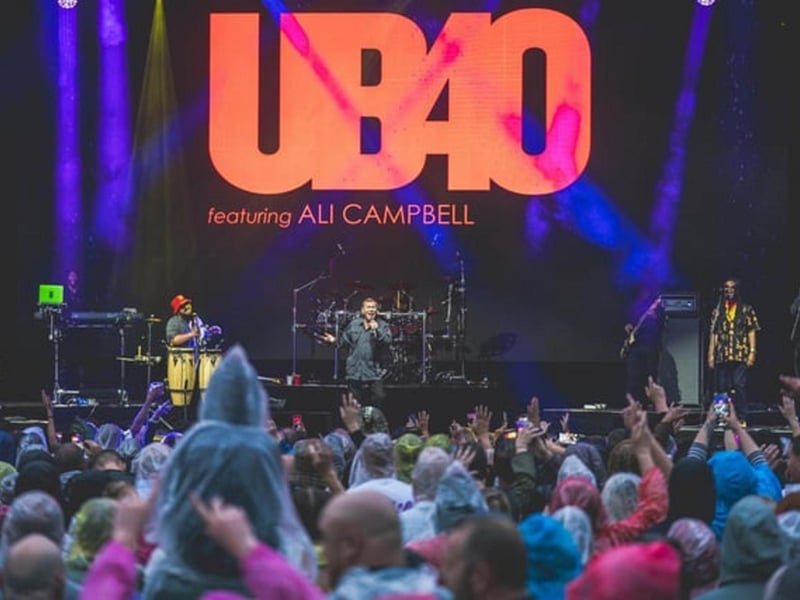
19. R is for reggae
Steel Pulse is a roots reggae band formed in Handsworth in 1975. Their debut album put Birmingham reggae scene the on the map. Volunteer Emma said: "I grew up surrounding by the music of our local artists such as Pato Banton and UB40." | National World
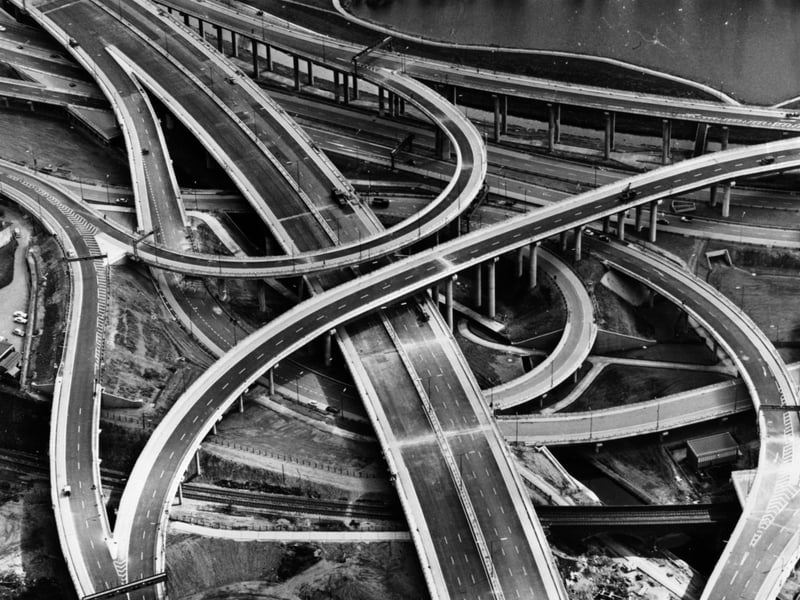
20. S is for Spaghetti Junction
Spaghetti Junction, officially the Gravelly Hill Interchange, is a major road junction in Birmingham. It is junction 6 of the M6 motorway where it meets the A38 Aston Expressway in the Gravelly Hill area of Birmingham. The interchange was opened on 24 May 1972. | Getty Images