
The ancient West Midlands village mentioned in the Domesday Book that tells the true story of Birmingham
Explore the rich history of Aston, Birmingham's oldest area, from its roots to its influence on the city's future.
Birmingham's skyline may be changing, but one of its oldest areas has roots that stretch back nearly a thousand years.
Once a village on the edge of the manor, Aston has seen it all - aristocrats, industry, motorways and football.
Watch the video for the full report
Richard Gullick's been to Aston to uncover what remains of its past, and how it still shapes the city's future.
Birmingham's story doesn't start in the Bullring. Long before the skyline, the steelworks or the sprawl, there was Aston.
A village in its own right, mentioned in the Domesday Book. Its name - Estone - meant 'East Town'. That was nearly a thousand years ago.
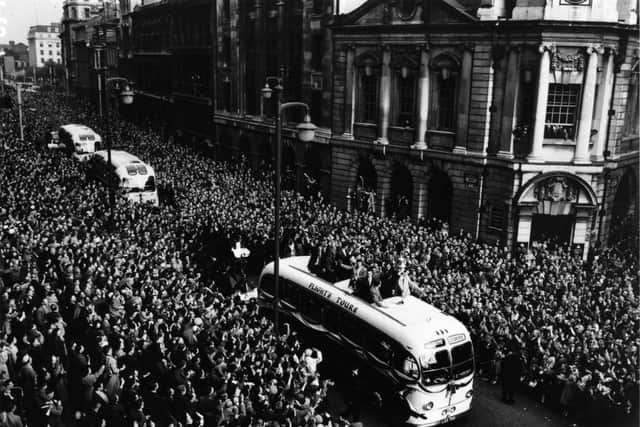

Back then, Birmingham was little more than a manor and a market. But Aston already had farmland, a mill, and a priest.
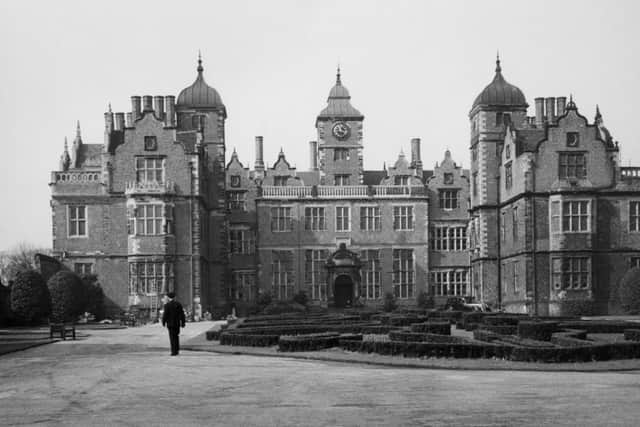
What's left of that story begins behind these gates--with a Jacobean mansion that once commanded the entire district.
Aston’s churches
You can chart Aston's growth through its churches. St Peter and St Paul - still carries a 15th-century spire, though there's been a church here for even longer.
It once served an area stretching miles in every direction.
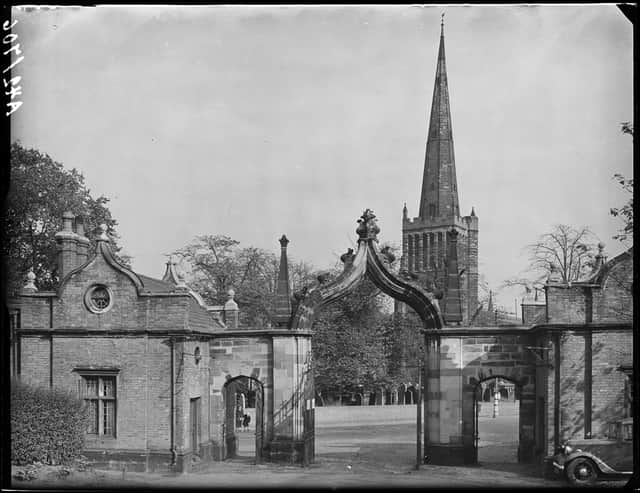
The old rectory and graveyard tell of centuries lived and lost here. Now, the church sits opposite shops and fast-food joints - but that doesn't erase what it once was: the spiritual and social core of early Aston.
Aston Park
Next door is Aston Park. It's easy to miss how radical it was - opening grand landscaped grounds to the public in the 1850s.
Queen Victoria herself did the honours. Cricket, boating, cycling - this was Birmingham's Victorian playground. Even now, it remains a patch of breathing space in a crowded city.
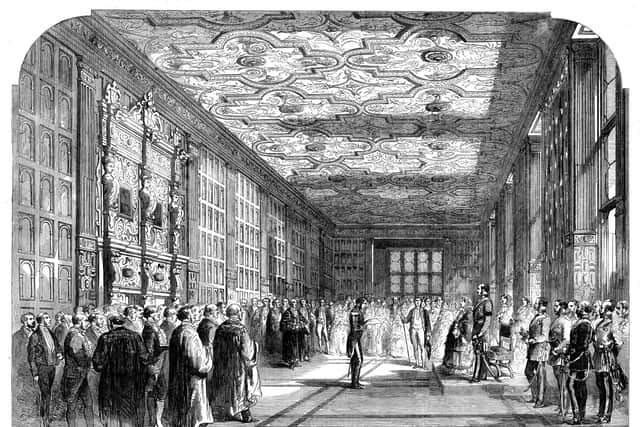
For many here, it's not history - it's where they go for five-a-side, to teach their kids to ride a bike, or just to sit and think.
The past lingers, even if no one's narrating it.
Street-level terraces
Aston's soul isn't in its landmarks - it's in its streets. These terraces tell a different story: of industry, migration, and sheer survival.
In the 19th century, workers flooded in. In the 20th, many left - or were moved on.
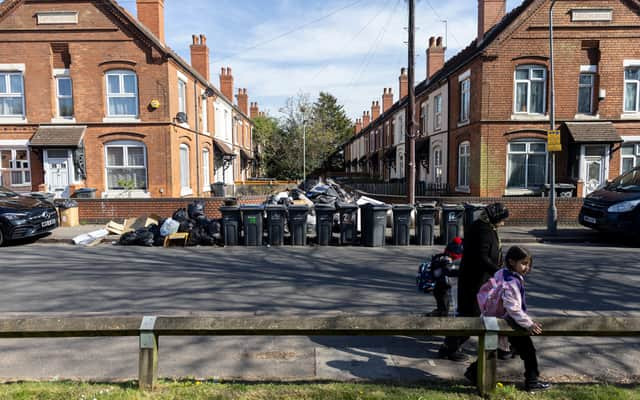
And in the 21st, it's still one of the most deprived areas in Birmingham.
But don't mistake that for weakness. This is where you'll find Brummie grit - scratched into shutters, painted on brickwork, and passed between generations.
Under the Aston Expressway
Then came the wrecking ball. In the name of progress, Aston was carved up. The Aston Expressway split the community in two. Tower blocks replaced terraces.
Streets were rerouted or erased.
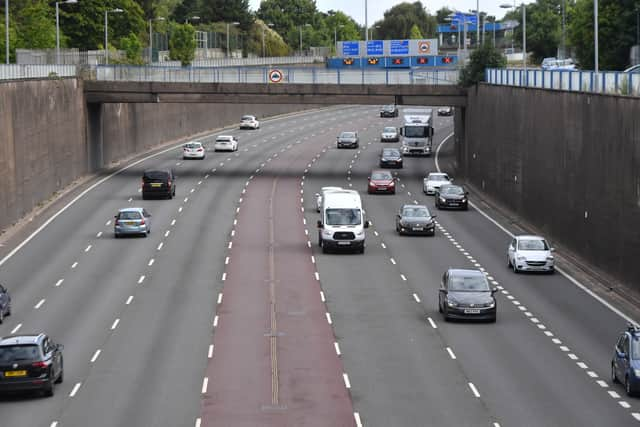
Aston became a symbol of the city's post-war gamble - modernist plans laid over living neighbourhoods. The cost? Community cohesion.
The benefit? Debatable. The view from here isn't pretty - but it explains a lot about why this area still feels bruised.
Villa Park
Football brings life back to Aston, if only temporarily.
Villa Park has stood since 1897. Through war, depression, relegation and revival, it's anchored this part of the city in something bigger than itself.
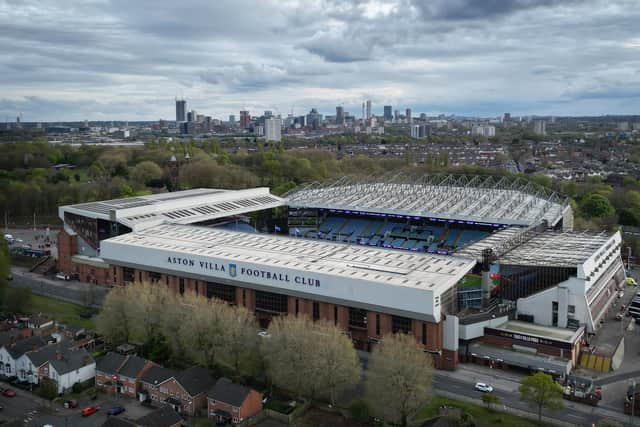
It's more than a stadium. It's a monument - to loyalty, identity, and the strange way sport keeps places alive.
Aston is old, yes. But it's not over. It still matters - to the people who live here, and to the city built around it.
Riverside bend of the Serpentine
Before there were roads, towers or traffic, this land followed the curve of a river. The Serpentine - the bend in the River Tame - wrapped around what was once the Aston manor.
It didn't just mark a boundary. It shaped one of the oldest places in the region. Aston's not just a suburb - it's the blueprint. The village predated Birmingham itself.
Mentioned in the Domesday Book.
Governed by landowners who built stately homes and walls long before the city took shape. Its history wasn't designed to be shared - it had to be reclaimed.
This area has seen everything.
From Saxon clearings to Norman conquest. Jacobean mansions to Victorian cricket matches.
Tramlines, factories, slum clearances, riots, regeneration. And still, Aston stays standing.
You can feel the history under your feet. It's not a museum piece.
It's alive in the architecture, the flood defences, the street names. It's in the voices of people who've stayed here for generations - and the ones still arriving. Sometimes, history gets flattened - by roads, by policy, by neglect. But Aston's is stubborn.
It seeps through the cracks in new concrete. You can pave over it, but it doesn't leave. This isn't about polishing the past. Aston isn't perfect. It's been cut up, let down, reshaped too many times.
But what it offers is continuity - perspective. A place that tells the truth about how cities grow, and what gets lost along the way. Because if a city forgets where it started, it risks forgetting who it's for.