
Over a third of young people in Birmingham lack confidence to make financial decisions
Many young people in Birmingham don’t have the knowledge or confidence to make important decisions about their finances according to research from Yorkshire Building Society.
Many young people (16–27-year-olds) entering adulthood in Birmingham don’t have the knowledge or confidence to make important decisions about their finances according to research from Yorkshire Building Society.
Polling and analysis for the Society’s Saving Generation Z report suggested that over a third (39%) of 16–27-year-olds in the city, twice the rate of the general population, said they lacked the confidence needed to make important financial decisions.
This lack of knowledge and confidence is reflected in their behaviours, just over half (55%) said they know how to budget and a similar number (60%) said they had set themselves financial goals. Across key financial topics, including savings, budgeting, interest, and student loans, young people in Birmingham were less knowledgeable than the general population. This is despite financial education being on the secondary school national curriculum since 2014.

Some of this lack of knowledge could be having negative long-term implications. Young people in the city are as likely to have some form of debt than most other generations and over a third (35%) report falling behind or missing at least one payment in the year across a range of types of debt. Student loans was the most common form of debt reported (50% of respondents), yet only 25% of young people in Birmingham said they felt knowledgeable about them.
Young people in Birmingham were also more likely to have fallen victim to online scams and identity theft than other generations - suggesting that although they spend more time online, they are not doing so with knowledge of how to stay safe.
According to the research, young people in Birmingham are also less likely to know where to turn for support on financial issues. Two in five (42%) say they don’t know who to ask for financial advice, compared to only a quarter (24%) of the wider population and over a third (34%) say they don’t know who to trust for financial advice, compared to a third (32%) of all adults.
Most 16–27-year-olds in Birmingham agreed that when they were younger, family members were the main point of call for financial advice (59%). This beat out schools (16%), friends (15%) and online content creators (14%). However, when asked who should be responsible for this advice, formal education came out on top (52%).
A review of the National Curriculum is underway, and Yorkshire Building Society is urging the Government to review the current provision and depth of financial education available to pupils. Financial education is currently on the curriculum for secondary schools in the UK. However, in Scotland and Wales, financial education is on the curriculum for both primary and secondary pupils.
Chris Irwin, director of savings at Yorkshire Building Society said: “This research shows how important it is to talk with young people about money and help them gain an understanding of important financial topics such as savings, debt, interest and tax.
“With such high numbers of young people expressing a lack of confidence in their knowledge in key areas of finance and falling into potentially damaging behaviours it is clear that young people need to be entering adulthood armed with more knowledge and confidence when it comes to money.
“The number of young people who simply did not know where to turn for advice or rely on their family for input was also an area of concern. The majority of people we polled agreed that schools were best placed to deliver financial education.
“In our recent report – Saving Generation Z: how 16–27-year-olds spend and save – we called for the Government to improve financial education in schools by making it part of the national curriculum in all primary and secondary schools across the UK and improving the breadth and quality of the learning provided. We hope that this will be included in the curriculum review so all young people enter adulthood feeling confident about their knowledge of finances.”
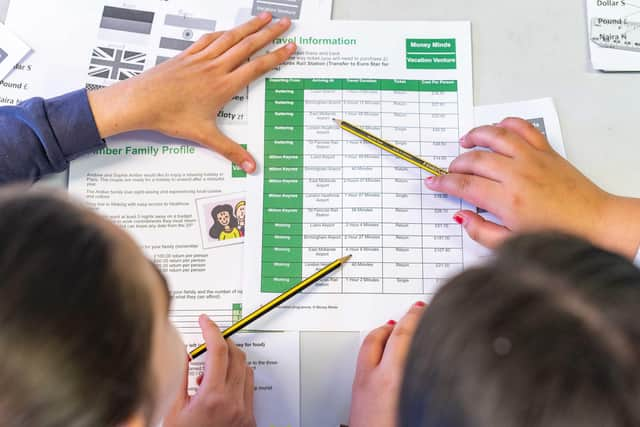
Yorkshire Building Society’s flagship financial education programme, Money Minds, teaches children, young people and adults about money and prepares them for the world of work.
For 11–19-year-olds, the Money Minds’ online platform offers free resources covering topics such as keeping money safe, budgeting, making good choices, lending and borrowing, what employers want, and relationships and money.