
"It’s fantastic to have a positive impact on a kid’s life in a such a short space of time”
Amy and Luke, from the West Midlands, have been foster carers with Barnardo’s for the past year.
Amy says: “We thought about fostering for a few years; we both have lots of nieces and nephews and we’ve seen the positive impact we’ve had on them, so felt like we had a lot to offer children in the foster system. Last year decided to pursue it further. We spoke to Barnardo’s and just clicked with the social worker we met with.”
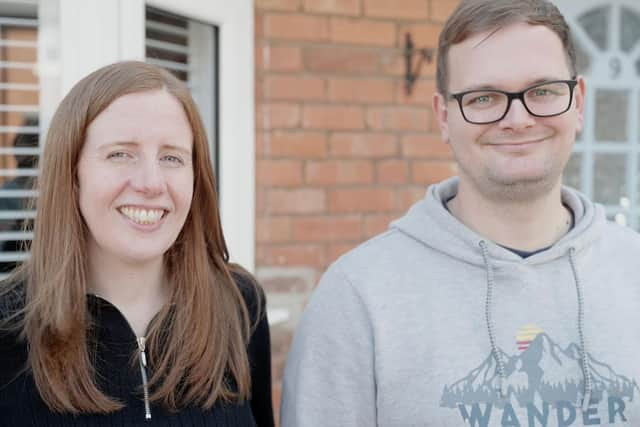

Amy and Luke are part of a specialist fostering program called BRICS and STEPS, which is a unique service to Barnardo’s. It provides a safe and caring environment for children who need emergency placements, for reasons such as being criminally exploited or because they are on bail or remand.
“We wanted to be there for older children, who can often be overlooked”
Luke explains: “We wanted to become BRICS and STEPS foster carers because we feel like older children often get overlooked in society. It's very easy for young people to get in with a ‘bad crowd’, so, we wanted to try and be there to nurture them and help put them on the right path. “When we started our fostering journey, we knew we needed training, and all the help and guidance we could get, as we're not parents ourselves. With Barnardo’s, we’re able to take on whatever training we need to support the child we foster at the time.
“I’ve always felt so supported throughout the journey and the team has such a wealth of experience. It’s really reassuring to know there’s always someone at the end of the phone who can help if we need it.”
Amy and Luke admit that being a foster carer can have its challenges but that the rewards are even greater.
“The more a child starts to trust you, it feels really rewarding”
Amy says: “At first, fostering definitely felt daunting. Quite often, you're given a care plan for the child you’re looking after. With the type of fostering we do, when you see a child’s history written out on paper, that can be a little bit frightening. But then they show up, and it's just a child, and they're lovely and sweet, and all your worries disappear within the first 20 seconds of meeting them. It can take a bit of time for a child to warm up to you when they first come to stay. But as they start to trust you more, it feels really rewarding.”
Luke adds: “We felt very anxious before our first child came to stay with us. But once they got settled in, it felt easy to look through their care plan and find ways we could help them in the short space of time they were with us. It’s rewarding helping a child meet their goals and seeing them start to engage really well in the placement.
“Over time the small changes add up to the biggest rewards”
“It can be easy sometimes to focus on the negatives because the positive changes aren't usually big things. But over time, those small changes add up and the biggest rewards are things like the child being comfortable sitting downstairs, having a chat with you, opening up, eating dinner together, things like that."
Amy adds: “One of my favourite memories is from the very first child that came to stay with us. He wanted to cook us a meal, so he went to the supermarket, got all the ingredients, and prepared the meal from scratch. We all ate around the table, and you could tell he was really proud of sharing that with us.
“Ultimately, I’ve learned that it comes down to who you are as people and how well you can connect with others. If you can form positive relationships with kids, you don't need a vast history or a big CV to be a good foster carer.
“We have a great support network of other foster carers, workers in Barnardo’s, and other professionals. There’s definitely a sense of community within the BRICS and STEPS service; we meet up once a month with other foster carers at a coffee shop and share advice and tips. I find that invaluable because a lot of the carers have been doing it much longer than us and they have brilliant advice about how to handle different situations.”
As for the best thing about being a foster carer? Luke says: “My favourite thing about fostering with Barnardo’s is having a positive impact on kids’ lives in such a short space of time.” Amy adds: “For me, the best thing about fostering is the relationships and building a strong bond with the children.”
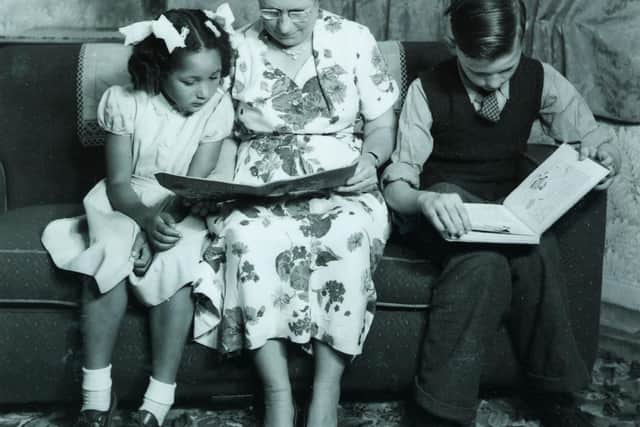
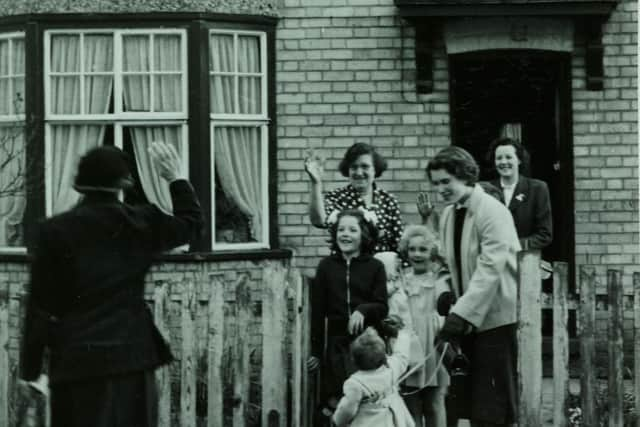
Amy and Luke are sharing their experiences of fostering with Barnardo’s as the children’s charity opens its archives to reveal its history of more than a hundred years of fostering in the UK amidst national crisis.
“The perfect time to foster a child doesn’t exist. But the right time is now.”
Brenda Farrell, UK Director of Fostering and Adoption for Barnardo’s, said: “Barnardo’s archives hold the history of fostering in the UK. We’re sharing these powerful images to demonstrate how people have been bringing children into their families for over 150 years.
“While it’s wonderful to see these snapshots of history, we’re sharing them against the backdrop of a very real crisis in our society today. Having supported children for almost 150 years, we urgently need more people to come forward and consider becoming foster carers to play their part in continuing this legacy.
“Right now, the UK is facing a foster care crisis at an unprecedented rate, with a record number of children entering the care system and an insufficient number of loving homes to accommodate them.”
She added: “The impact of the crisis is felt most by children in the care system. Without enough potential foster placements, children are already at risk of being placed in unsuitable situations as a last resort.
“We know fostering is a big decision, but with more children entering the care system each year, there’s no time to wait. Your skills and care can change a child’s life.
“The perfect time to foster a child doesn’t exist. But the right time is now. Please get in touch with us for a no strings attached conversation, and let’s talk fostering today”.
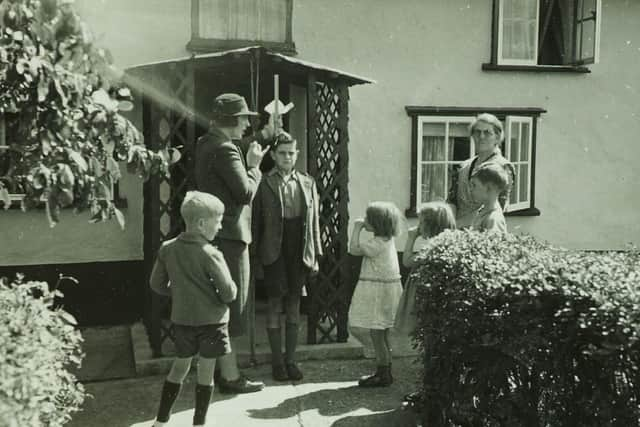
Barnardo’s, which has run fostering services since the Victorian era, is sharing historic images from its archives including a family enjoying a meal together back in 1964, and children being measured, weighed, and having their teeth checked outside their foster home in 1939.
The charity hopes the images will show the incredible impact that fostering can have – and encourage more people to consider fostering at a time when the system is in crisis.
There has been a downward trend in the number of applications and newly approved households for mainstream fostering sector-wide since 2019. Ofsted reported that the number of applications received from prospective fostering households in 2022 to 2023 was around 8,000. This is the lowest number in several years and is 18% lower than in 2018 to 2019.